


The longest urban cable car in France has opened in the south of Paris. The ‘Câble C1’ urban cable car in the Val-de-Marne department began operating on 13 December 2025 and is the first cable car in the Île-de-France region to supplement the existing public transport network. Câble C1 uses transport cables and magnetic-inductive monitoring from Fatzer in Romanshorn for its central transport task.
Relief for a growing conurbation
The Île-de-France region is France’s most populous economic area. Transport routes are particularly congested in the Val-de-Marne department, which is part of the Greater Paris area. The existing public transport system, which is mainly based on buses and the metro, is no longer able to meet growing demand.
The Câble C1 urban cable car system is a new mobility solution that will relieve traffic congestion in the area, reduce CO₂ emissions and improve connections to the southern suburbs. With an estimated capacity of up to 11,000 passengers per day, it offers a fast and reliable solution for commuters and residents. The cable car creates a connection that is independent of road traffic and efficiently expands the existing network.

Câble C1: New axis for public transport
The 4.5-kilometre route of the Câble C1 connects the suburb of Créteil with the municipalities of Limeil-Brévannes, Valenton and Villeneuve-Saint-Georges. The line serves five stations. The 105 cabins run over 30 supports and the journey time between the terminal stations is 18 minutes. The cable car crosses an urban area that is bisected by a TGV and freight railway line, the Valenton marshalling yard, the RN 406 and major urban transport routes. For passengers, this means no traffic jams, less waiting time and a reliable, easily calculable journey time.
Ropes from Switzerland
Doppelmayr France was awarded the contract for the ropeway. The haul ropes were supplied by Fatzer AG in Romanshorn. The ropeway consists of three rope loops. Fatzer therefore supplied three ropes with a total weight of around 90 tonnes. The rope type used is Performa DT, which was specially developed for urban ropeways with high loads.
Performa DT is characterised by plastic profiles between the strands. This design increases the durability of the ropes and at the same time ensures low-noise, smooth running – an important factor for cable cars that pass over densely populated areas.
Performa DT is characterised by plastic profiles between the strands. This design increases the durability of the ropes and at the same time ensures low-noise, smooth running – an important factor for cable cars that pass over densely populated areas.
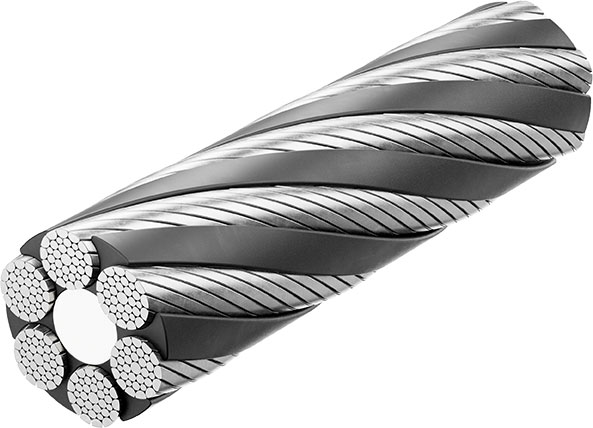
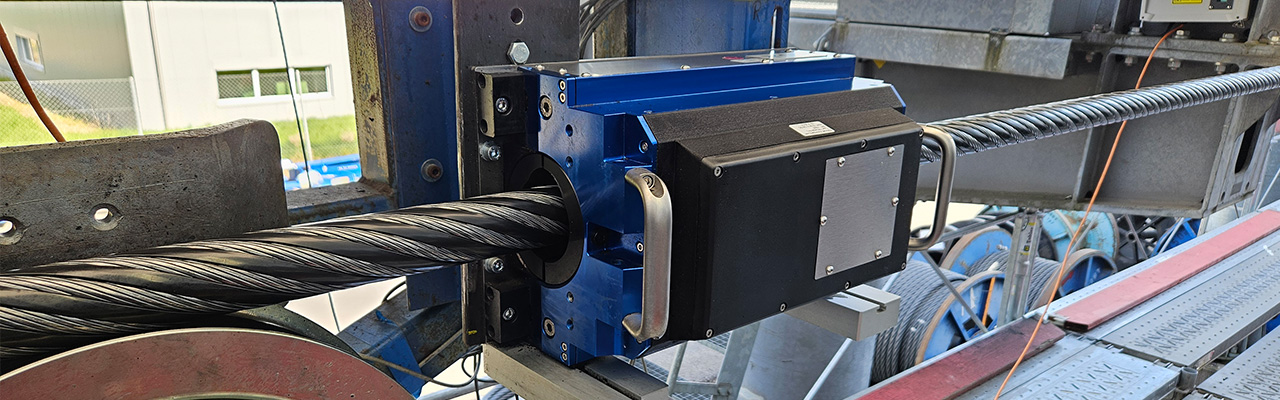
The availability of the system is crucial for the use of this type of rope, as it operates continuously from 5:30 a.m. to 11:30 p.m. on weekdays and until 12:30 a.m. on weekends. To meet this requirement, the cable is combined with the ‘TRUscan’ monitoring solution developed by Fatzer, which is based on magnetic-inductive measurement. It provides real-time information about the condition of the cable, enabling maintenance work to be planned or irregularities to be detected immediately.
Contribution to sustainable urban mobility
By equipping Câble C1 with Performa DT and the TRUscan measuring device, Fatzer is contributing to sustainable, efficient and safe mobility in the Greater Paris area. The new cable car relieves heavily trafficked transport routes, reduces private transport and creates an attractive alternative for daily commuters in Île-de-France.
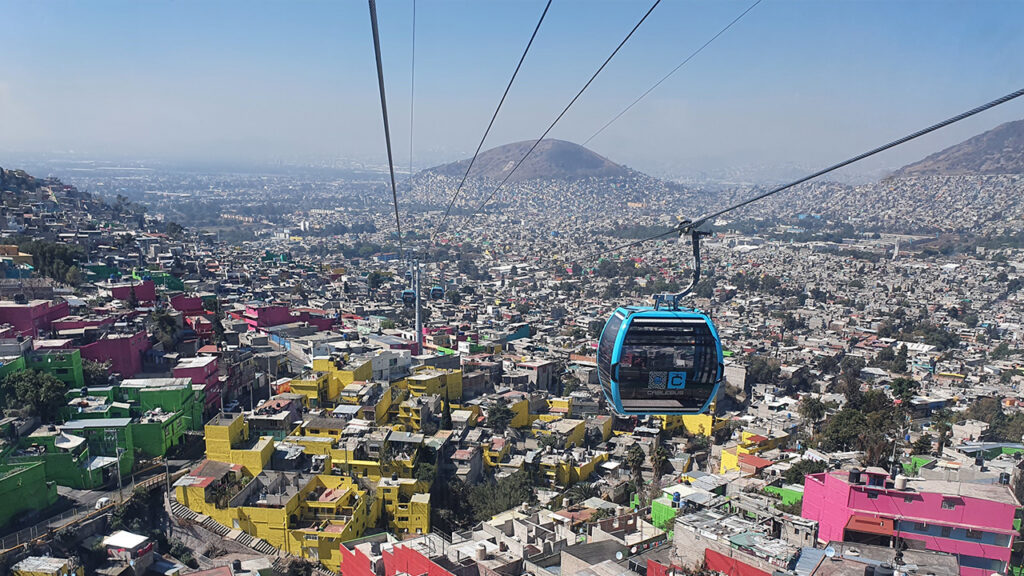
The Performa rope is already being used successfully in high-traffic urban facilities: La Paz, Medellín, Mexico City, Guayaquil, La Réunion, Ajaccio and soon Uruapan are just a few examples.
Fatzer’s production facility is located in Romanshorn. From here, ropes are delivered all over the world.

Image sources cable car: © Laurent GRANDGUILLOT
Image sources Performa rope, TRUscan, production: Fatzer AG